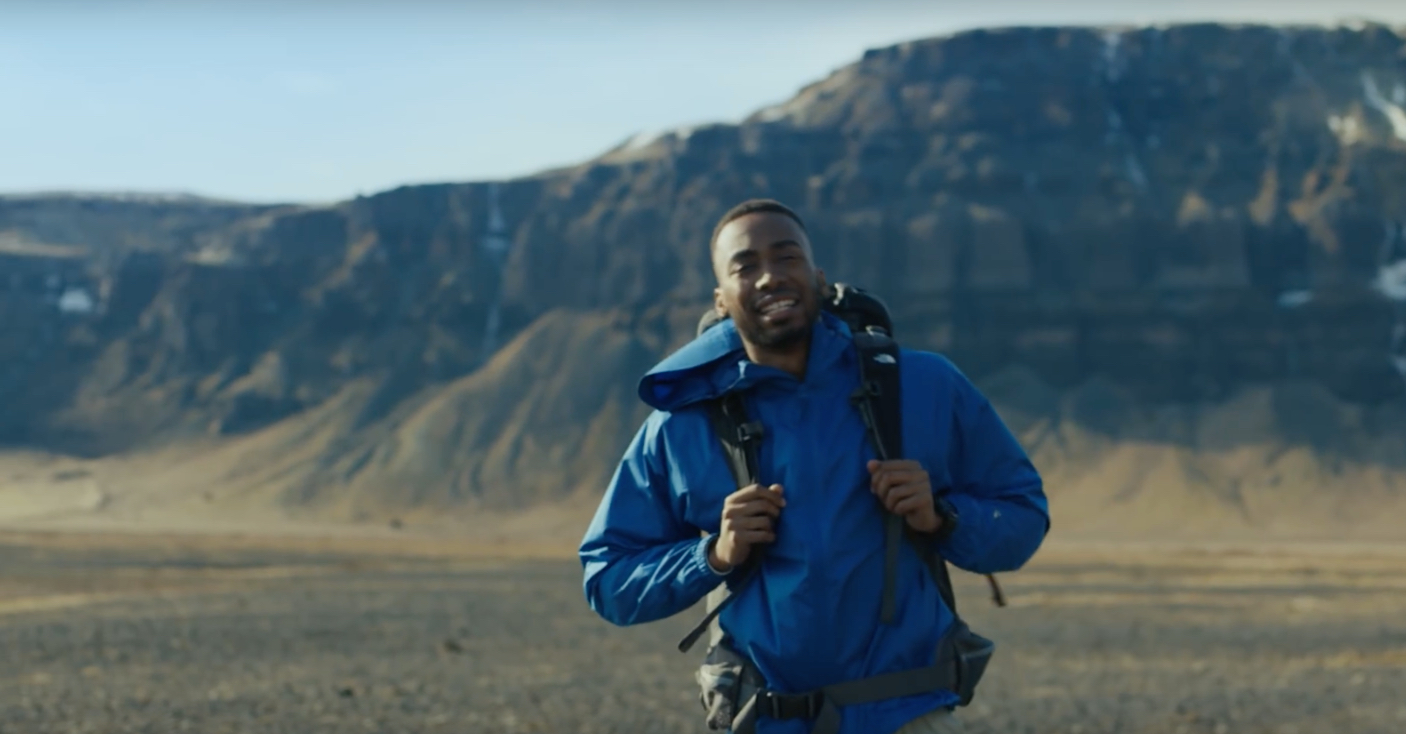
There’s a lot of talk these days about unplugging and disconnecting. This music video captures the problem quite well. We more connected than ever, and yet…
Love the old-timey animation from Steve Cutts. Now turn off your phone and take a hike.
There’s a lot of talk these days about unplugging and disconnecting. This music video captures the problem quite well. We more connected than ever, and yet…
Love the old-timey animation from Steve Cutts. Now turn off your phone and take a hike.

I first heard Trace Bundy on Pandora, and really enjoyed his music. Since then, Joan and I have seen Trace twice — in Hermosa Beach and again in Seoul, South Korea. Later this month, we’re seeing him again in Berkeley.
It may be difficult to imagine how an acoustic guitar concert could be so good, but this short 7-minute documentary gives you a sense.
Enjoy.
There’s a lot shit going down in the world today. On Facebook I’ve seen lines drawn and names hurled between people that I consider friends. I’m enthused that people are more engaged than ever in the political process, and hope that action goes well beyond spouting off on FB and putting everyone into a neatly labeled box.
And then my wife shared this beautiful three-minute film from director Asger Leth in Denmark.
I’m hopeful that we will remember all that we share in common.

This week I ran across two videos that you should watch. They paint a rather bleak view of technology and how it’s not really helping us become more connected. Not that this is the fault of technology. We are (I’m painting with broad strokes here) misusing technology.
The first is titled The Innovation of Loneliness. Based on Sherry Turkle’s book Alone Together (affiliate link), this video suggests that we are using social media to collect connections, rather engage in deeper, meaningful communication. We are curating our personal brand rather than interacting with transparency, openness and vulnerability.
The second video is titled I Forgot My Phone. It focuses on our fixation with these little devices that have invaded our every waking moment. What’s telling is the title itself. Is Charlene making a personal choice to not use her phone, or did she–as the title suggests–simply forget her phone?
In his book You Are Not a Gadget
Where are you on the social spectrum? Are social tools and technologies helping you build deeper, more meaningful connections? Or do these short videos ring true?
 I’ve been using the location-based social network Foursquare since 2009. Although it will come as no surprise to those who know me, my first check-in was at a Starbucks — although I was surprised to find it was in West Hollywood.
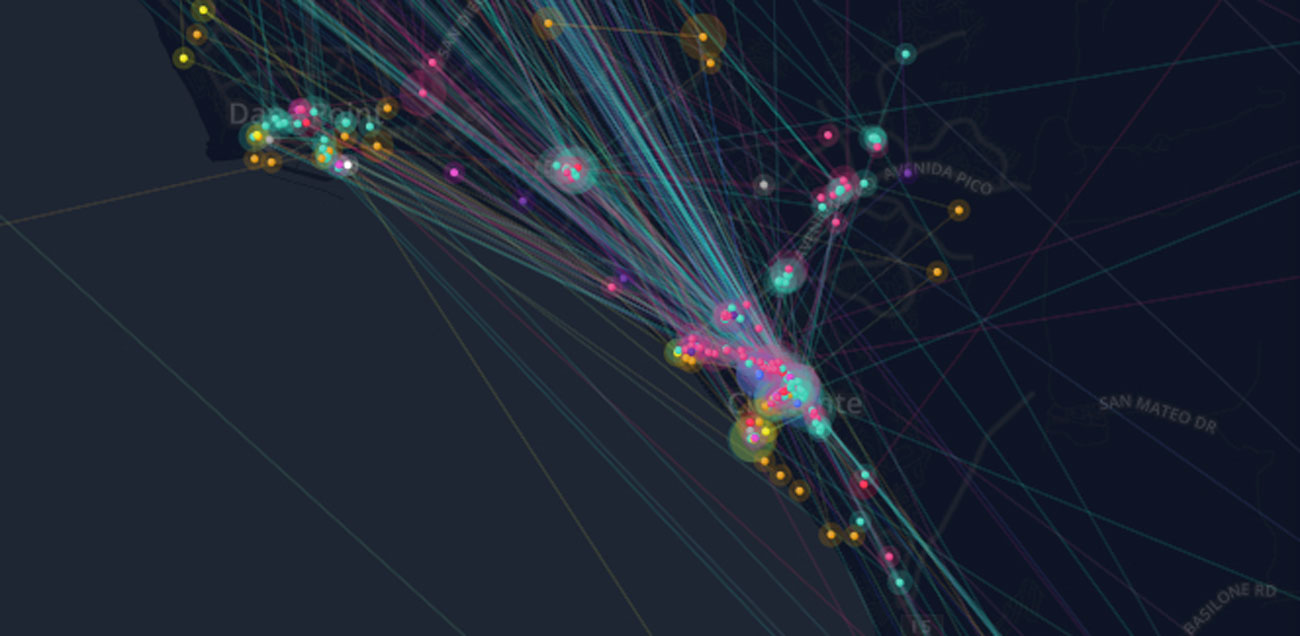
Since then, I’ve checked in 4,456 times, across the United States and around the world. What does this look like? Foursquare put together a Time Machine that takes you on a visual tour of your check-in history. Here’s what mine looked like:
I know some of you see Foursquare as a waste of time. I’ve found it useful, if for nothing else, as my digital memory. When my wife asks me, “What was the name of that souffle place in Paris that we loved?” I can tell her. And because I’ve used Foursquare regularly over the past four years, there’s a lot that the data says about me.
The Time Machine not only produces a slick animated history with an semi-annoying soundtrack, it also cranks out the requisite infographic. I’ve broken it into chunks to share my analysis.
First, there’s a heat map that shows where most of my check-ins have occurred. From 2009-2012, I lived in south Orange County, so this doesn’t really surprise me. You can see regular visits to places in Dana Point, as well as my work in Aliso Viejo.

Each of the colors represents a different kind of location. By far, most of my check-ins have been at restaurants and coffee shops. But the top spot goes to the office.
The category with the fewest check-ins is college and education. Again, since I’m not a full-time student, not surprising. When you look at the breakdown by year, you’ll notice a big growth in the number of outdoors and recreation check-ins. While I’ve always been active outdoors, I haven’t always made a point of checking in (you go outdoors to unplug, right?). Apparently my view has shifted.

My favorite place? No question about it — Starbucks. I’ve logged 830 coffee shop checkins. And my favorite food? The data says I love Mexican food best, followed closely by… tacos? Go figure.

When you look at patterns in activity, you’ll see that I most often grab a caffeine fix before heading to the office.

I was disappointed that their map didn’t show my international travel. But I have done a fair amount of travel around the country. My most visited cities? Where I live or work.

Not anything that I don’t have a pretty good general feel for. I like coffee (especially Starbucks) and Mexican food. I have been pretty consistent about checking in. And if marketers want to mine this data? Have at it. I’ll be watching my mailbox for invitations to coffee and tacos (I am, after all, a loyal customer).
What I love about Foursquare I’ve touched on before. I have a chance to share my experience with others. I learn from the experience of others (“try the french toast!”). And I have a virtual diary of where I’ve been, and when. That has proven useful to me personally over and again, and remains the main reason I continue to use Foursquare. Your mileage may vary.
If you’re a Foursquare user, give the time machine a spin yourself. And let me know what you think about living out loud, geographically-speaking.
Scott Berkun shared this absurd, amazing, wonderful Japanese commercial that must be seen with the volume turned up. Enjoy.