Posted on Leave a comment

Running Half Marathons (for People Who Hate Running)

Running half marathons for people who hate running

I ran my first half marathon as a teenager back in Indiana. It was sponsored by the local McDonalds, who fed us something they claimed were pancakes. Apparently in the 1970s, we didn’t get that carb-loading 30 minutes before race time wasn’t very effective. I don’t remember my time, but it took me a couple of decades before I ran my next half.

Since then, I’ve run two marathons and a number of half marathons. And yet, I’m not what most people would consider a runner. I don’t run regularly. If I don’t run for days, weeks, or even months, I don’t get an itchy desire to lace up my Hoka One Ones and head out. I’d much prefer to amble along a dirt trail, noticing the wind through the trees, the wildflowers reaching for the sun, and the wild turkeys pecking their way uphill.

And yet, at least once a year for the past four years, my buddy Jason and I have travelled to another National Park to run another half marathon. This year, it’s the Grand Teton Half Marathon in Jackson, Wyoming. And this year, instead of logging 5-9 miles a run four times a week to train, I’m not running at all.
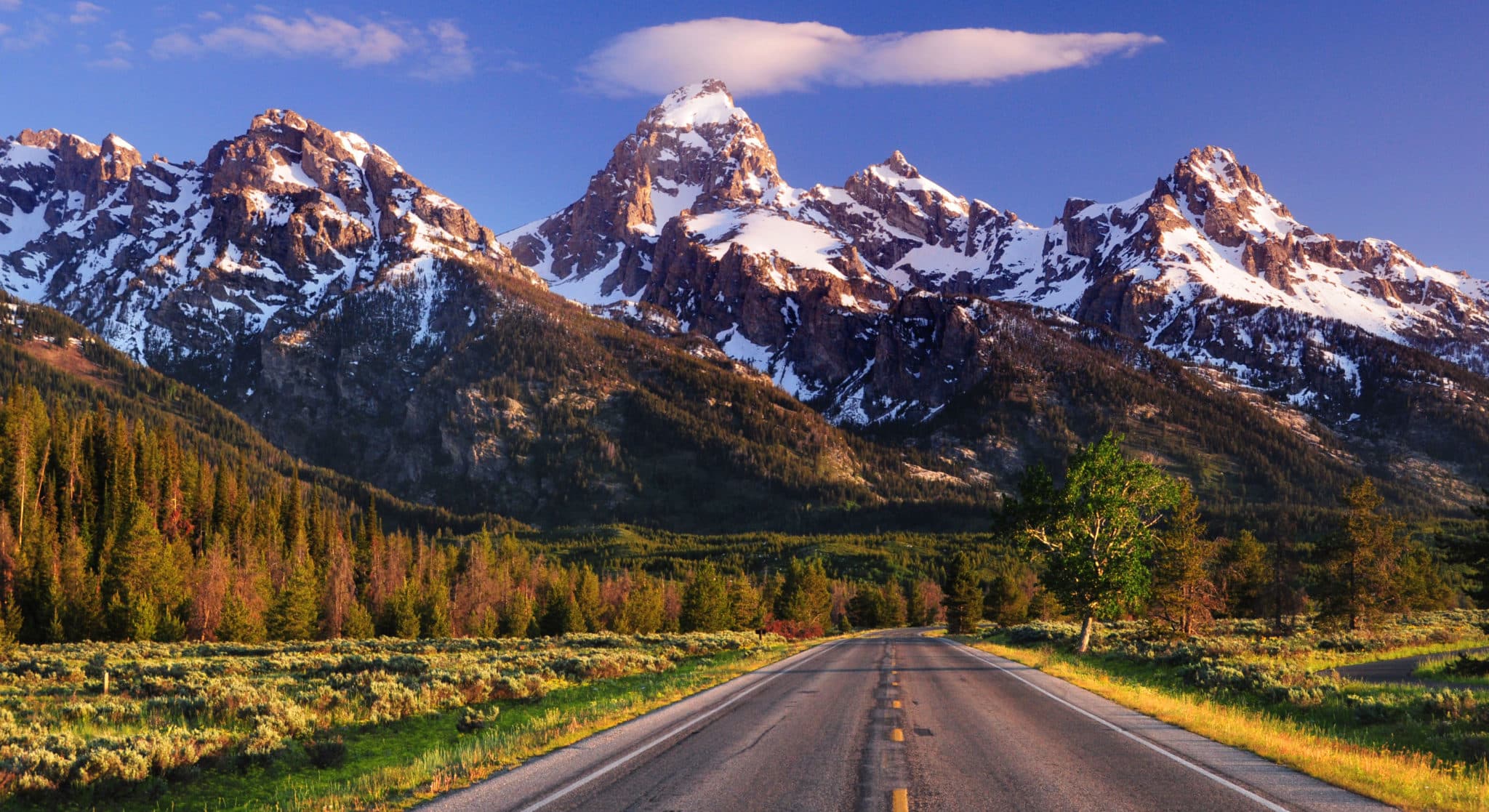
I'll be running the Grand Teton Half Marathon
The view at the Grand Teton Half Marathon is going to ROCK!

My Non-Runner’s Training Routine

Three times a week, I take an indoor cycling class. Specifically a Pursuit class, where your metrics are projected onto a screen at the front of the classroom. The accountability and competition inspires a higher level of performance that makes every other cycling class seem boring by comparison. It only takes an hour, and since the Equinox gym I belong to is two floors down, I have zero excuses. Best of all, it’s fun. Unlike running, I actually do feel an “itch” to go to a Pursuit class when I’ve missed one due to travel or other commitments.

And then I hike, usually twice a week. Hiking, by necessity, takes longer. I have to travel to-and-from the trailhead, and traveling at even a brisk hiking pace, most hikes consume half a day or more.

In between, I fill in the gaps with strength training and yoga. I’ve been learning Iyengar yoga, which focuses on proper form and has been super helpful for flexibility and recovery.

How well will this non-running training program work? 

I tested this last month in the Oakland Half Marathon. I signed up on a whim, just a couple weeks before the event. I planned to use the Jeff Galloway method, running four minutes and walking one, repeating until finished. I ended up running straight through mile nine, then adding in some walking stretches. I finished with my best half marathon time since 2012. My time wasn’t my fastest ever, but it felt like validation that a non-running training regimen could work.

We will find out in…

Day
Hour
Minute
Second
Posted on 2 Comments

Countdown to Mount Shasta

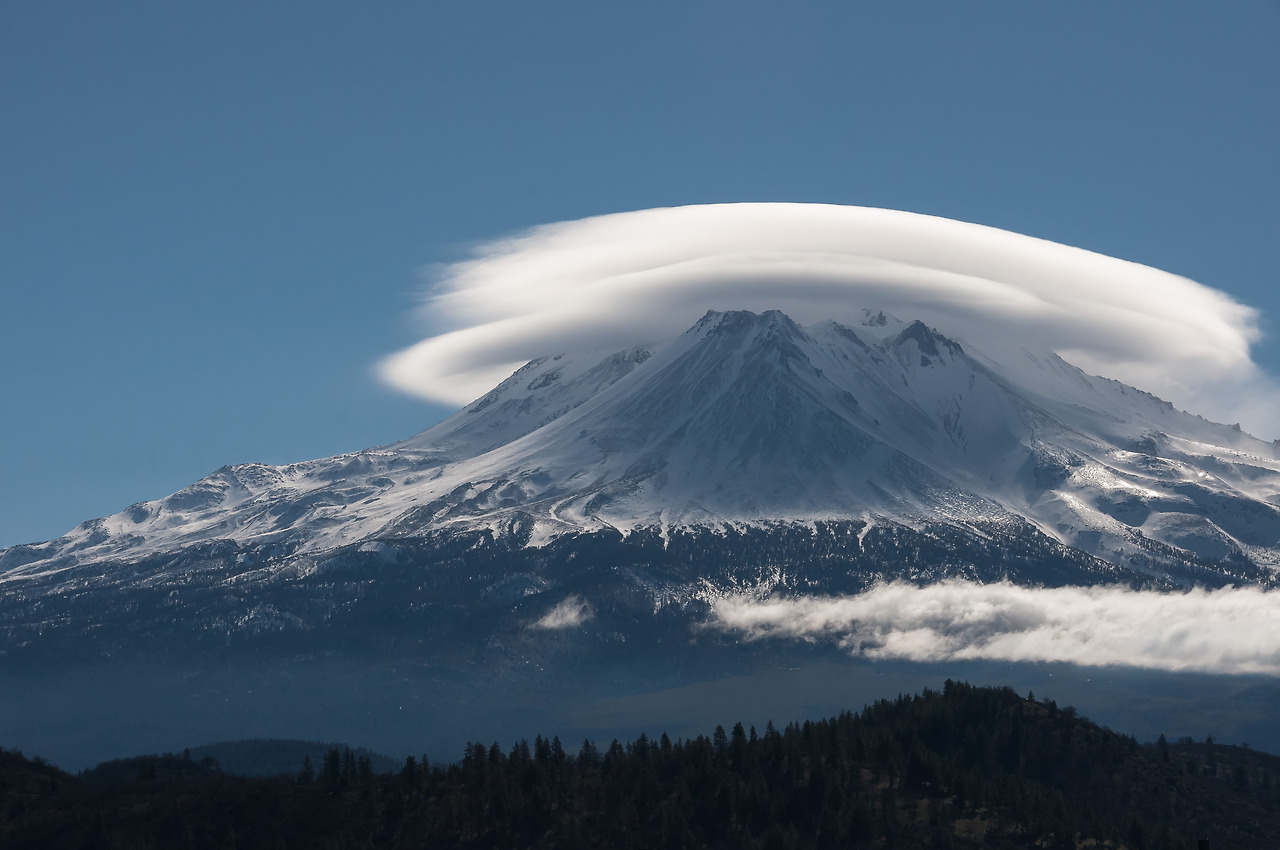
Mount Shasta

I like to set big goals. That’s partly the reason I originally created the Six-Pack of Peaks Challenge. Creating a goal, and developing a plan to achieve that goal helps keep me focused on the things that matter to me.

This year, one of my big goals is to climb Mount Shasta. At 14,179 feet above sea level it’s a considerable peak–the fifth highest in California and the second highest in the Cascades. Shasta is the 11th most prominent peak in the US. John Muir climbed it, and it’s home to seven named glaciers.

Most of the peaks I’ve summited were hike-ups, with the exception of Banner Peak. Hike-ups are mountains that have a trail nearly all the way to the summit. They don’t require any technical gear or skill, just the fitness and gear to survive the weather.

Mount Shasta in contrast, requires crampons, ice axe, helmet and self-arrest skills. The route we are taking goes up the rather ominously named Avalanche Gulch; the same route John Muir took over a century ago, and generally considered one of the easiest routes.


Avalanche Gulch may be easier, but it’s not easy. This route (there is no trail) climbs 7,000 vertical feet. If we’re lucky, we’ll have nice frozen snowpack to walk on top of. Which is why we’re hiking it over two days.

Day One, we climb to Helen Lake at 10,400 feet. It’s the typical “base camp” for climbers taking two or even three days to summit on this route.

On Day Two, we wake up at 2 or 3 am and climb by headlamp while the snow is frozen and firm–better conditions for avoiding rock and ice fall that can occur when the sun warms things up. If we can make good progress, we might even catch the sunrise. Then, we descend all the way back to the trailhead. It’s a descent of 7,000 feet, and a sure-fire bet that our legs will be toast by the end.

Our crew consists of outdoor friends I originally met online: Chris Sunnen (The Last Adventurer); Josh McNair and his wife Amy (California Through My Lens); Paulina Dao and her beau (Little Grunts); and John Soltys (Moosefish) – a great crew!

Training for Shasta

I’ve been hiking some longer hikes on the weekends, such as the NorCal Six-Pack of Peaks, and will continue to do so up until our Shasta trek. During workdays, I’m hitting Equinox with a focus on lower body, core strength and cardio. I love the Pursuit cycling classes at Equinox. They incorporate game play that exploits my competitive nature for better results. Two weeks ago I ran the Oakland Half Marathon with nearly zero running before hand; just cycling and hiking, and turned in my best time since 2012.

I’m running the Grand Teton Half Marathon at the beginning of June, and climbing Mount Baldy for the Climb for Heroes the day after that. These should either break me or harden my body, and it will definitely help prepare me for higher elevations. From that weekend, I have just two weeks until Shasta, so I’ll begin to taper off.

I’m feeling the stoke.

And I’m climbing Mount Shasta in…

Day Hour Minute Second

Postscript

The trek up Mount Shasta was a success! Read all about it and see the photos.

Photo credit: Ruben Garcia

Posted on 5 Comments

Oregon Bound

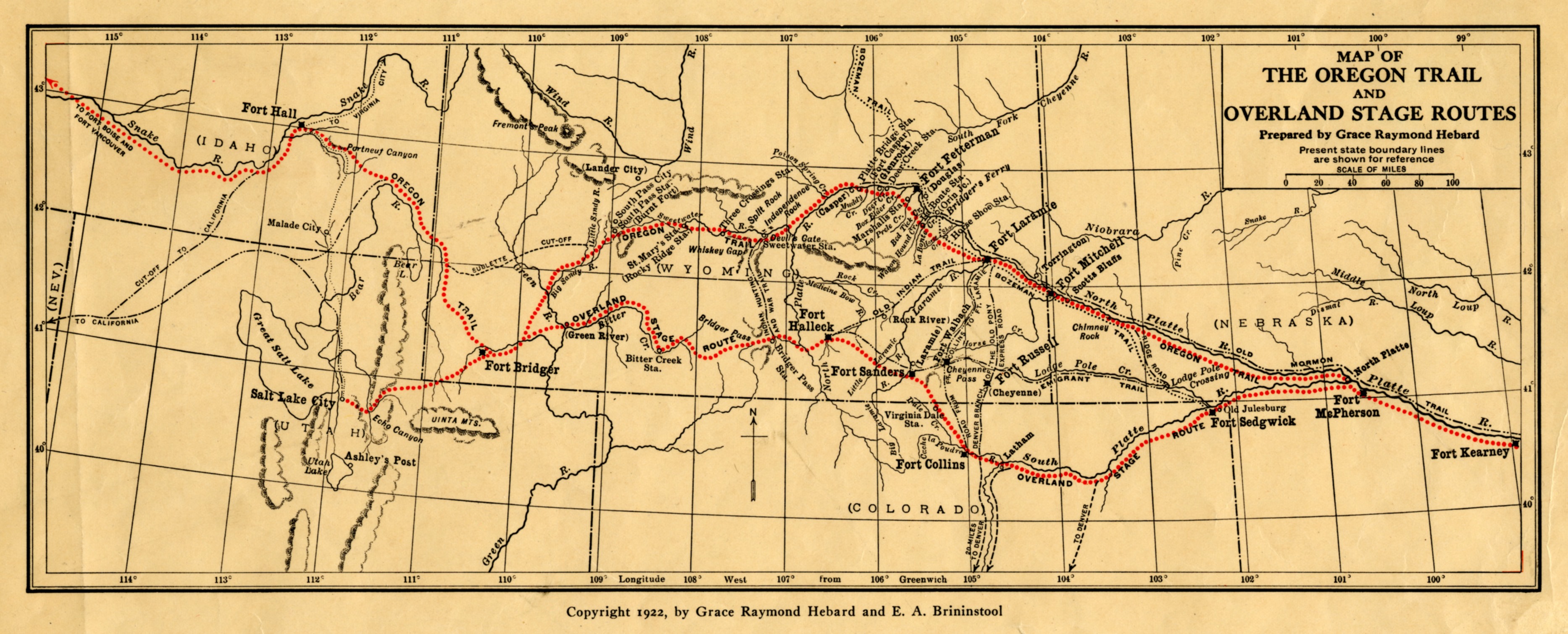
Map of the Oregon Trail

It’s been a long time coming, but I’m happy to say, we’re finally relocating full-time to Bend, Oregon.

For those that don’t know, we have a home there, but work has kept us elsewhere. Now, Bend makes the perfect place to grow Social Adventures, and the countdown to our permanent move has begun.

We move to Oregon in…

Day
Hour
Minute
Second

For the uninitiated, Bend has a growing outdoor and tech startup scene, just about every outdoor sport known to man can be enjoyed in a 30 minute drive (or less), and it has the highest number of breweries per capita of any city in the United States (22 and counting).

Yeah, this is just 30 minutes from our house…

Photo credit: Robert Shea, https://www.flickr.com/photos/rwshea/9967405933/in/photolist-gbMywr-8E3GL9-dcRikV-oDXuDf-agiyeY-83ei1D-qXWqL2-oDXQ4q-XcgQ4x-oTbebu-oe3LTr-Q7wrB4-oe3MRP-ag5xoW-Q7w3Ci-Q4Jc4S-fcJrSw-pwKHah-WZF2sP-X8TDx7-VYke26-VYkdPT-yqdM-o7xLDh-E4oq2E-2YDtwc-8EoDqN-agmGkM-5jNn4V-ahrfCi-dFxyeS-Q4JaLS-jurzrJ-dDUdMQ-agxMmC-ag2LRB-fAyfBN-agnXi9-8ZVSfn-8ZVCpT-ahu1Zo-yq1U-228Ef28-agixeL-2219Mbp-83eih2-agizd7-agfNAD-83hrNj-pbfNYg
Photo credit: Robert Shea

I just hope we don’t die of dysentery.

Posted on Leave a comment

Acoustic Ninja – Trace Bundy

Acoustic Ninja - Trace Bundy

I first heard Trace Bundy on Pandora, and really enjoyed his music. Since then, Joan and I have seen Trace twice — in Hermosa Beach and again in Seoul, South Korea. Later this month, we’re seeing him again in Berkeley.

It may be difficult to imagine how an acoustic guitar concert could be so good, but this short 7-minute documentary gives you a sense.

Enjoy.

Posted on Leave a comment

All That We Share

There’s a lot shit going down in the world today. On Facebook I’ve seen lines drawn and names hurled between people that I consider friends. I’m enthused that people are more engaged than ever in the political process, and hope that action goes well beyond spouting off on FB and putting everyone into a neatly labeled box.

And then my wife shared this beautiful three-minute film from director Asger Leth in Denmark.

I’m hopeful that we will remember all that we share in common.

Posted on 1 Comment

The Family of Man

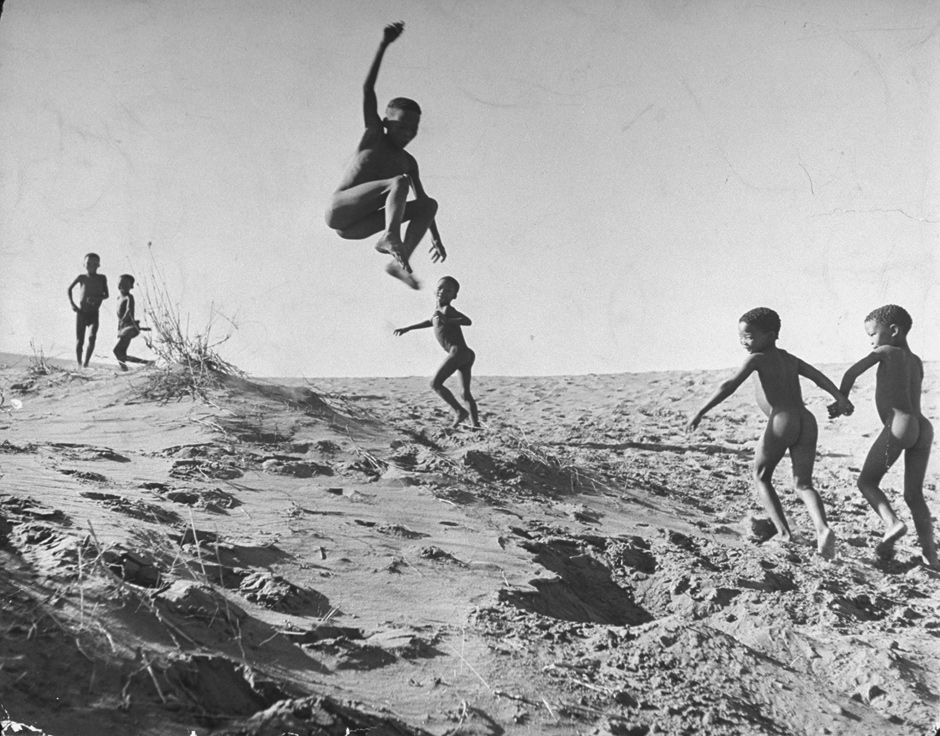
Bushman children playing games on sand dunes in the border area between Botswana and South Africa, 1947, Nat Farbman

Coffee table books have fallen out of fashion in today’s digital world. Our books are as likely to be bound by bits and bytes as they are by cloth and stitching. Yesterday a memory was jostled free from the cobwebs of my mind, recalling a book on my family coffee table when I was growing up.

The Family of Man

The Family of Man was the epitome of coffee table books. It was filled with beautiful black and white photos of people around the world, catalogued from a 1955 exhibit at the Museum of Modern Art in New York.

The exhibit was curated by Edward Steichen and featured 503 photographs from 68 countries, 273 of which were taken by amateur photographers. Many of those photos are etched into my memories and instantly recognizable.

Steichen considered it a collective portrait of humanity. I was too young to appreciate the larger message, but I remember sitting on the floor for what seemed like hours, slowly turning each crisp page and absorbing each photograph.  The photos conveyed the gamut of human emotion and experience. What was that experience like? How are they feeling? My mind filled in the backstory and I connected with my extended family of man.

As it turns out, The Family of Man is still in print. There are probably quite a few coffee tables that could benefit from a copy. Maybe it can bring our family together.