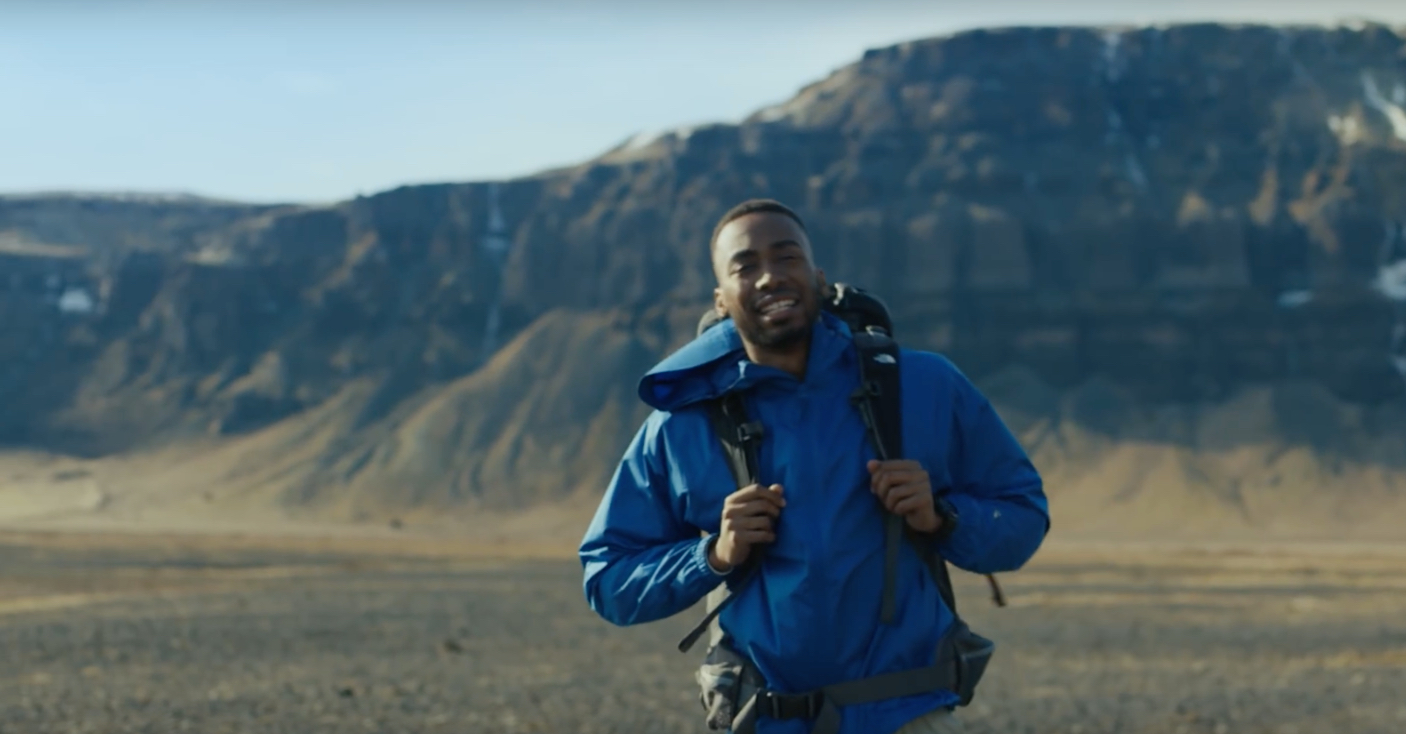
There’s a lot of talk these days about unplugging and disconnecting. This music video captures the problem quite well. We more connected than ever, and yet…
Love the old-timey animation from Steve Cutts. Now turn off your phone and take a hike.
There’s a lot of talk these days about unplugging and disconnecting. This music video captures the problem quite well. We more connected than ever, and yet…
Love the old-timey animation from Steve Cutts. Now turn off your phone and take a hike.

I first heard Trace Bundy on Pandora, and really enjoyed his music. Since then, Joan and I have seen Trace twice — in Hermosa Beach and again in Seoul, South Korea. Later this month, we’re seeing him again in Berkeley.
It may be difficult to imagine how an acoustic guitar concert could be so good, but this short 7-minute documentary gives you a sense.
Enjoy.
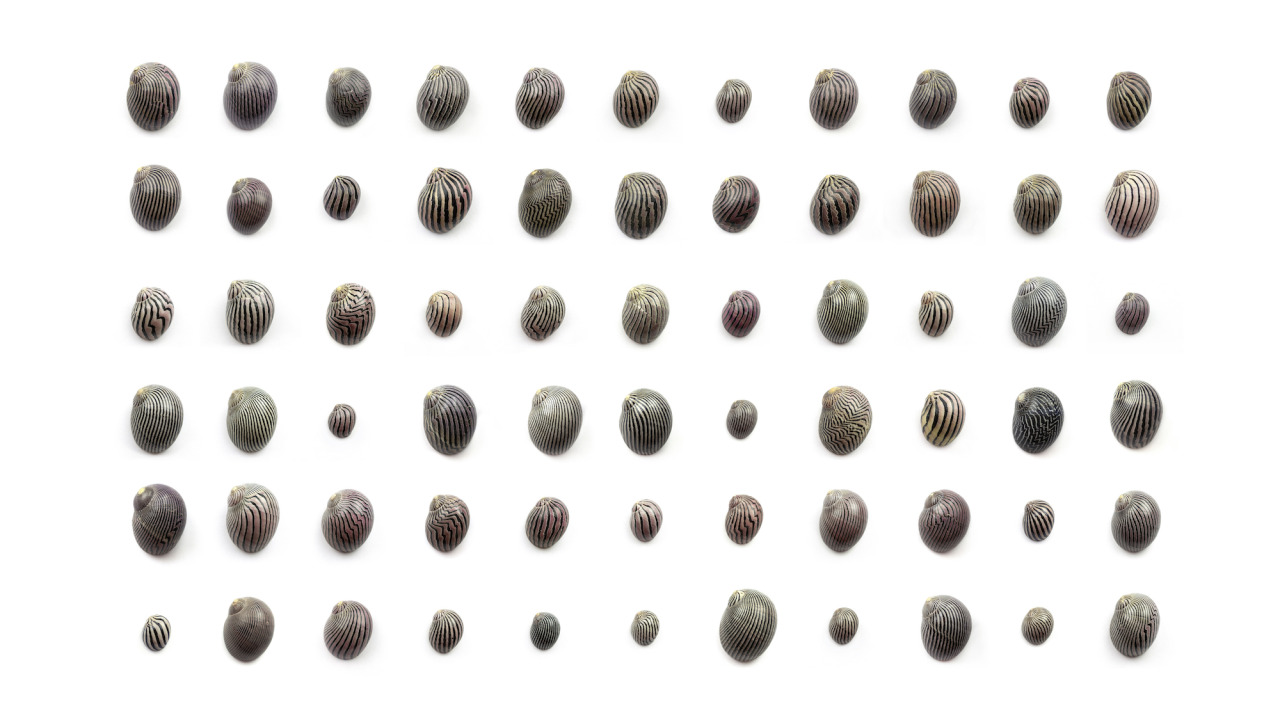
There’s a lot shit going down in the world today. On Facebook I’ve seen lines drawn and names hurled between people that I consider friends. I’m enthused that people are more engaged than ever in the political process, and hope that action goes well beyond spouting off on FB and putting everyone into a neatly labeled box.
And then my wife shared this beautiful three-minute film from director Asger Leth in Denmark.
I’m hopeful that we will remember all that we share in common.
Coffee table books have fallen out of fashion in today’s digital world. Our books are as likely to be bound by bits and bytes as they are by cloth and stitching. Yesterday a memory was jostled free from the cobwebs of my mind, recalling a book on my family coffee table when I was growing up.
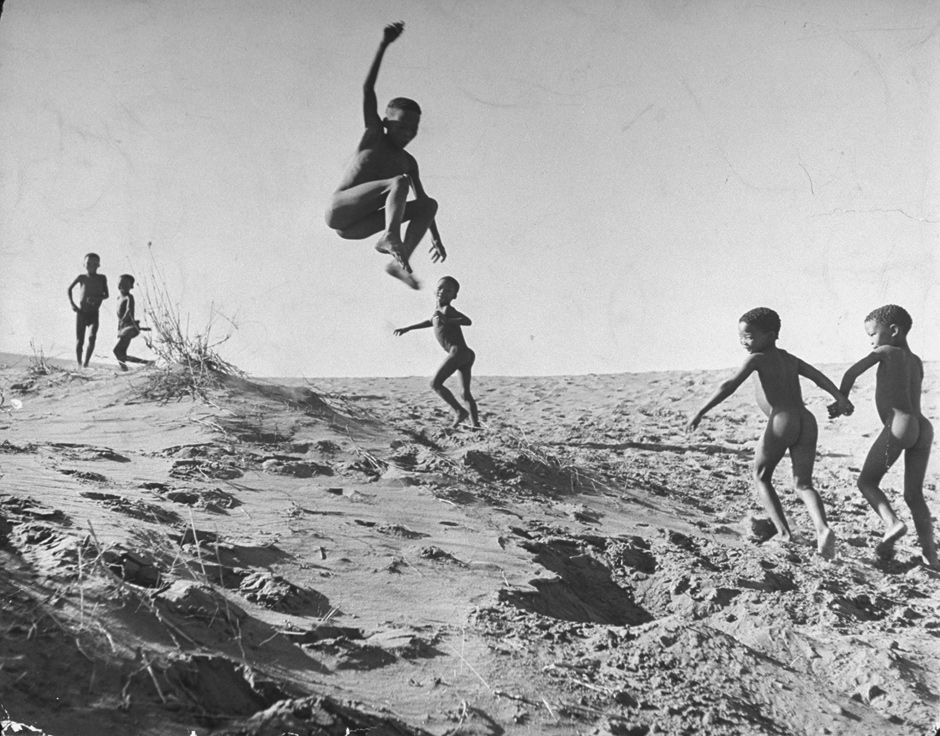
The Family of Man was the epitome of coffee table books. It was filled with beautiful black and white photos of people around the world, catalogued from a 1955 exhibit at the Museum of Modern Art in New York.
The exhibit was curated by Edward Steichen and featured 503 photographs from 68 countries, 273 of which were taken by amateur photographers. Many of those photos are etched into my memories and instantly recognizable.


Steichen considered it a collective portrait of humanity. I was too young to appreciate the larger message, but I remember sitting on the floor for what seemed like hours, slowly turning each crisp page and absorbing each photograph. The photos conveyed the gamut of human emotion and experience. What was that experience like? How are they feeling? My mind filled in the backstory and I connected with my extended family of man.
As it turns out, The Family of Man is still in print. There are probably quite a few coffee tables that could benefit from a copy. Maybe it can bring our family together.

Recently, the staff where my wife works attended two days of training on the Seven Habits of Highly Effective People. One of the exercises she was given used an analogy of rocks and sand to represent time management.
Ah hah! I gave a presentation to that effect at a KM Summit back in 2006. I can fill in with some visuals, but instead of rocks and sand, I’ll use jawbreakers and M&Ms.
Rich or poor, young or old, we all have precisely 24 hours in a day, and seven days in our week. It’s what we do with those hours that distinguishes us.
To illustrate, consider the jawbreaker as that big, important task that Must Be Done. It’s probably not easy. You may not even particularly relish the idea of hunkering down and getting it done. But it’s there, along with a number of other Big Important Tasks.

The M&Ms are the small, urgent tasks. Sometimes they’re the little fires that break out during the day as you rush from stomping out the last one. They can be provide quick gratification as you tick off items in your to-do list, but they ultimately they are not as important as the jawbreakers.
Urgent? Perhaps. Do they help move you closer to your big goals? Not so much.
The mistake many of us make is that we start our day by succumbing to the tyranny of the urgent. The M&Ms. Why is that a problem? Try this exercise. It begins with a bowl-full of jawbreakers and a couple pounds of M&Ms.

If we take the M&Ms and pour it into our empty vase, and add the jawbreakers afterwards, you’ll find they won’t all fit. Our day planner runneth over.

Next, try putting all the jawbreakers–the Big Important Tasks–first. They all fit in the vase.

Finally, pour in the M&Ms and magically–they also fit–easily filling the empty spaces between the jawbreakers.

What are those urgent little tasks that are filling up your day? What are the Big Important Tasks that you never seem to have enough time to finish?
Brainstorm a few and inverting the priorities and you’ll make great strides toward reaching those big goals.

I’ve long been fascinated with immersive photography such as 360° panoramas, videos, virtual reality and photo spheres. I backed the Dot project on Kickstarter back in 2011, and they actually created a cool accessory for the iPhone 4 (at the time, the latest-and-greatest) that recorded 360° video.
Now, it’s pretty easy to create immersive photo spheres using an iPhone and the free Google Streetview app. It does a decent job with the camera in your pocket (i.e. your phone), helping you create all the images you’ll need for the app to automagically stitch together a spherical image. The resulting image can be uploaded to the Google Streetview database or shared on Facebook, which should recognize it as a photo sphere and display it accordingly. When it doesn’t work properly, you’ll end up with a funny looking distorted image like the one at the top of this post.
360° cameras used to be really expensive, but I recently picked up an LG 360 camera for $200. This camera has two 13 megapixel spherical cameras on either side, allowing you to take 180° or 360° still photos and video.
Here’s a quick-and-dirty example I shot from our apartment in Seoul. Go ahead…click on it and drag your mouse around to change the view.
The LG 360 connects with my iPhone using wifi, allowing me to preview the shot and transfer photos and videos to my phone. You can use either the Google Streetview app or LG’s 360 CAM app to record.
Sharing the resulting photos and videos can be tricky. You can upload the 360° video to YouTube and it should detect the photosphere and automatically present it with user controls. If a viewer is looking at it on their phone with the YouTube app, it will utilize the gyroscope to allow you to turn left/right/up/down to “look” around the video.
Sharing on Facebook works much the same. Just upload the photo or video like you would a regular photo or video, then cross your fingers. Facebook should detect the spherical image and display it correctly. I found that it doesn’t work 100% of the time.
Displaying it on a WordPress blog is a bit trickier. For videos, the easy button is to share on YouTube, then share the URL. WordPress will automatically convert it to an embedded video with the appropriate controls. For images, the easiest solution I’ve found — and what I’m using for the example above — is the VR Views Jetpack plug-in. Upload your image to the Media Gallery and use a shortcode to insert the image where you want.
I see a lot of potential for immersive photography and videography, particularly for sites where sharing the big picture is really useful. For example, I can see real value on my hiking site to show all angles of a tricky trail junction, or to give someone an inspiring view from the summit. On a travel site, you can help readers find that hole-in-the-wall joint that only locals know about, or give them a better sense of what a place is actually like.
What are your thoughts about 360° imagery? Where would you like to see it used?